Edit-first control matches the work.
CapCut transcription can create a text layer from speech, helping with subtitles, summaries, scripts and content repurposing.
CapCut transcription can create a text layer from speech, helping with subtitles, summaries, scripts and content repurposing.
Accuracy, language support, duration and export options can vary.
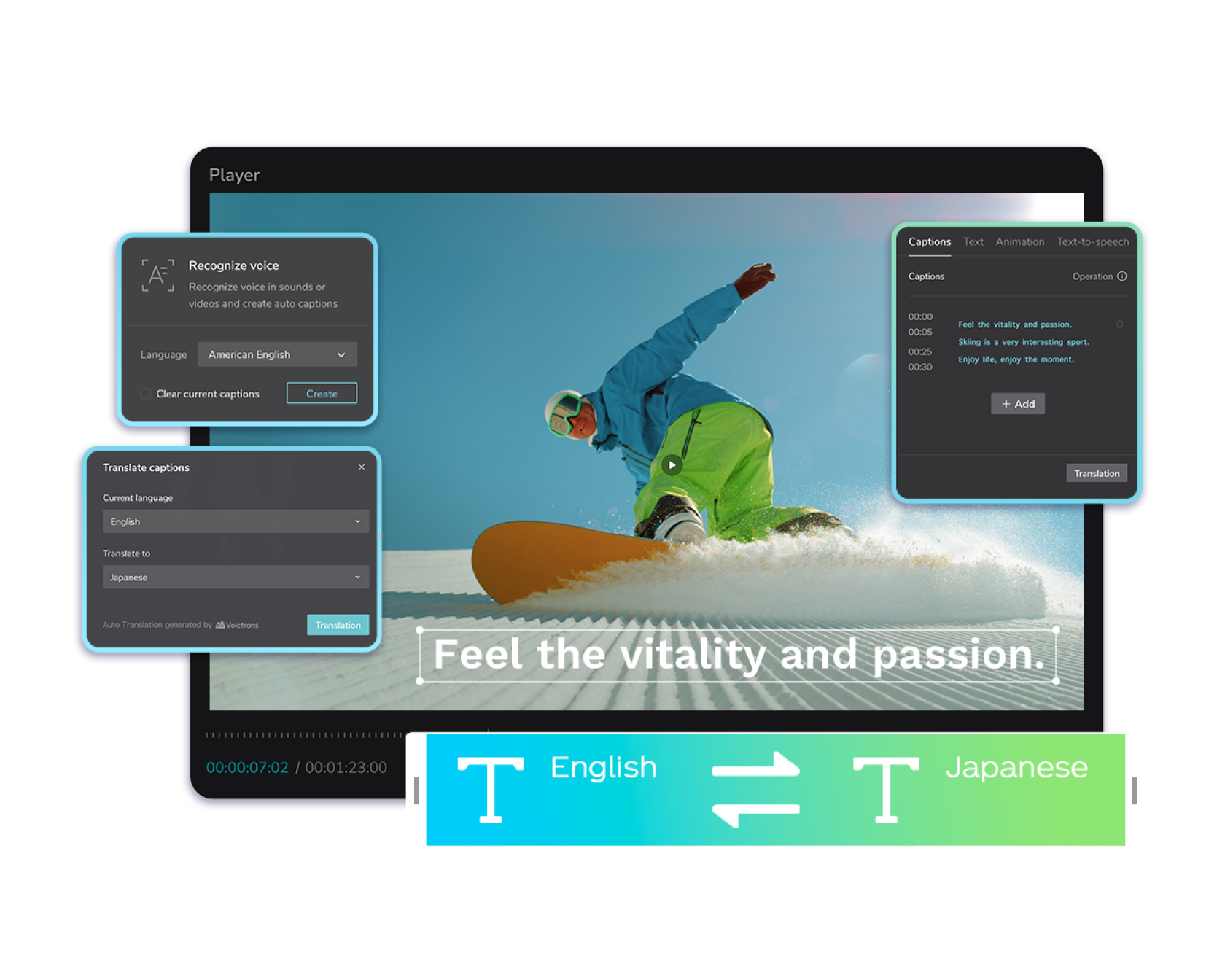
CapCut transcription can create a text layer from speech, helping with subtitles, summaries, scripts and content repurposing.
CapCut transcription can create a text layer from speech, helping with subtitles, summaries, scripts and content repurposing.
Begin with a prompt, image, product link, script or existing Invideo project, then open the focused workflow built for that job.
Compare Invideo AI →Reduce avoidable noise and choose the final recording when possible.
Let CapCut recognize the spoken language and create editable text.
Fix names and terminology, then use the text for captions, notes, articles or clips.
Create a searchable text record and caption source.
Reuse spoken instruction as written steps or supporting copy.
Find quotes, topics and short-form moments inside longer recordings.
No. A transcript captures speech as text; captions also require timing, line breaks, placement and visual styling.
Background noise, overlapping speech, unusual names, weak microphones and technical vocabulary.
CapCut presents editable text workflows, but export options should be checked in the current tool.
Names, numbers, prices, legal language, medical terms and product specifications.
Start with the device, task or plan that fits the work in front of you—then move directly to the official CapCut tool.
CapCut's AI editor brings generation, captions, cleanup, reframing and enhancement into a workflow that still leaves the final timing and judgment to the editor.
Generate subtitles, correct the words and timing, then style them for Shorts, Reels, tutorials, interviews or longer videos.
Use AI-assisted clipping to identify highlights, reframe the subject and prepare several vertical drafts from one longer recording.
CapCut combines speech recognition, subtitle translation, dubbing and supported voice-preservation tools for multilingual video workflows.
CapCut combines text-to-video, image animation, model choice and editing tools so a generated clip can move directly into a finished timeline.
Compare edit-first and prompt-first video workflows.
Browse the wider task-first catalog.
Each recommendation shows why it belongs here.
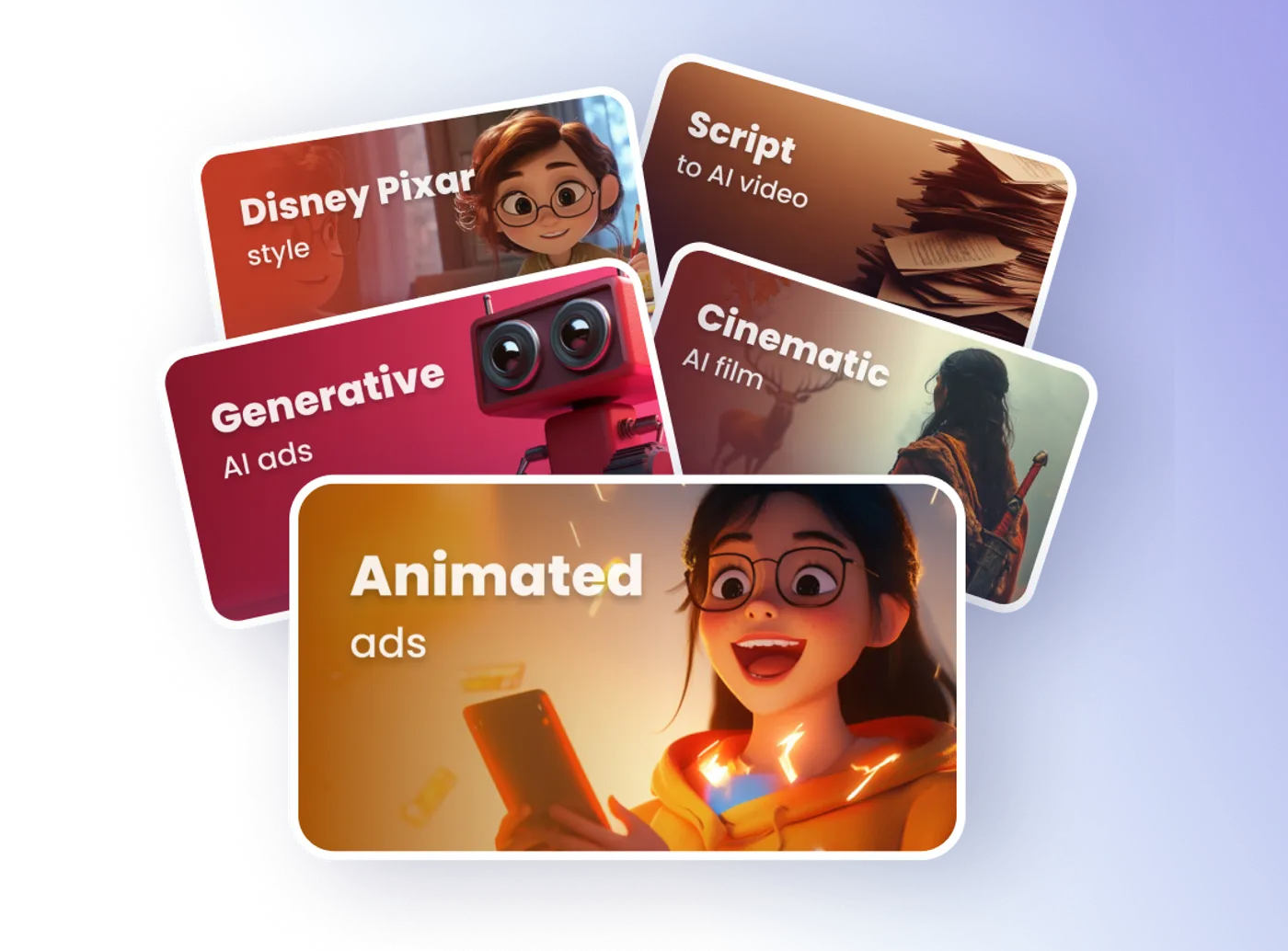
Use text instructions to adjust scenes, pacing, voiceover, subtitles and other elements without rebuilding the project from the beginning.

Start with the topic and audience, generate the script, visuals, voice and captions, then make the result distinctive through editing and evidence.
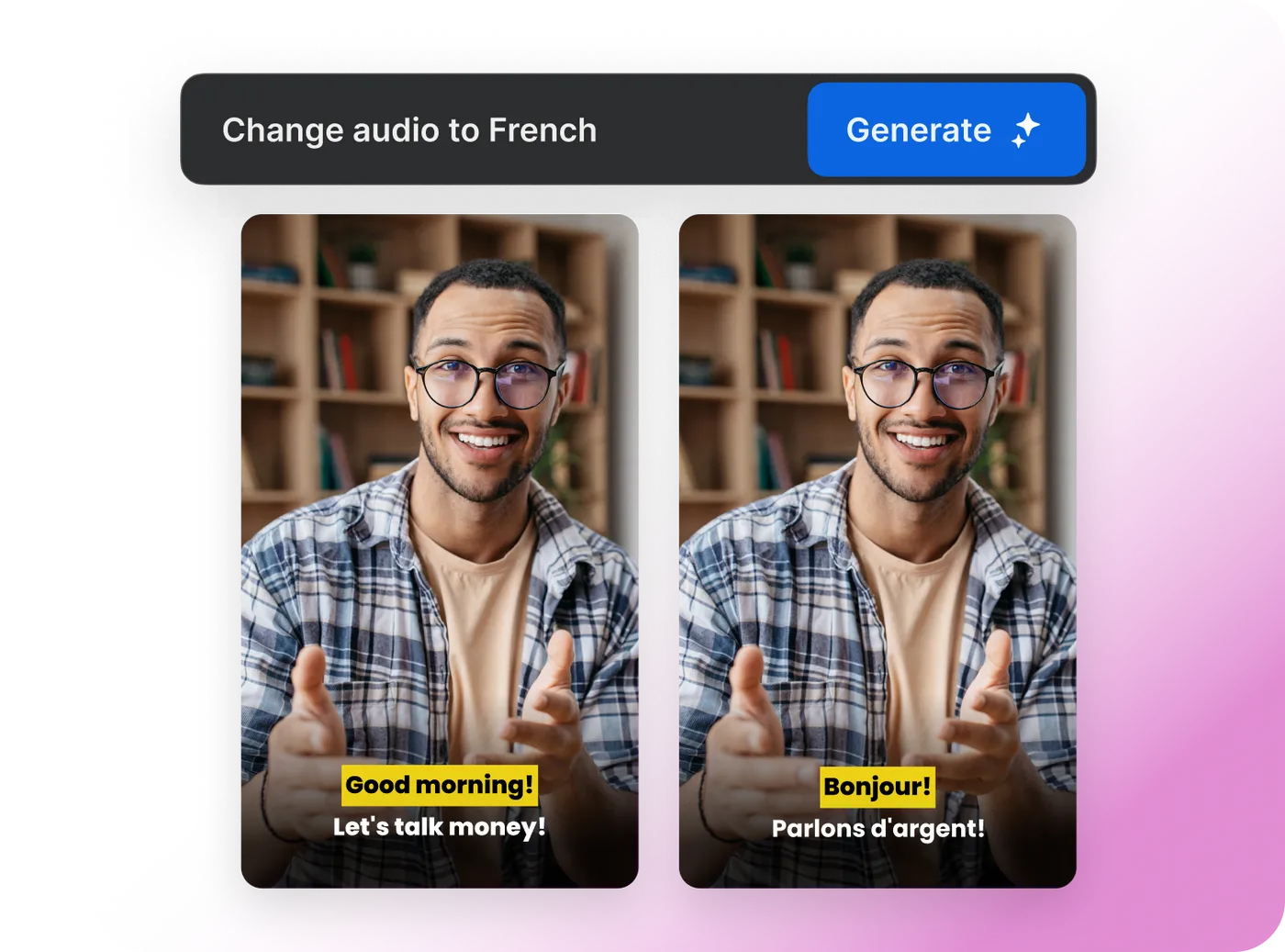
Create a localized version with translated narration and subtitles, then review meaning, timing and cultural fit before export.