Prompt-first production matches the work.
Record the required sample, create the clone, then test pronunciation and delivery before using it in published videos.
Record the required sample, create the clone, then test pronunciation and delivery before using it in published videos.
Use this guide to choose the workflow, then confirm current access on the official Invideo page.
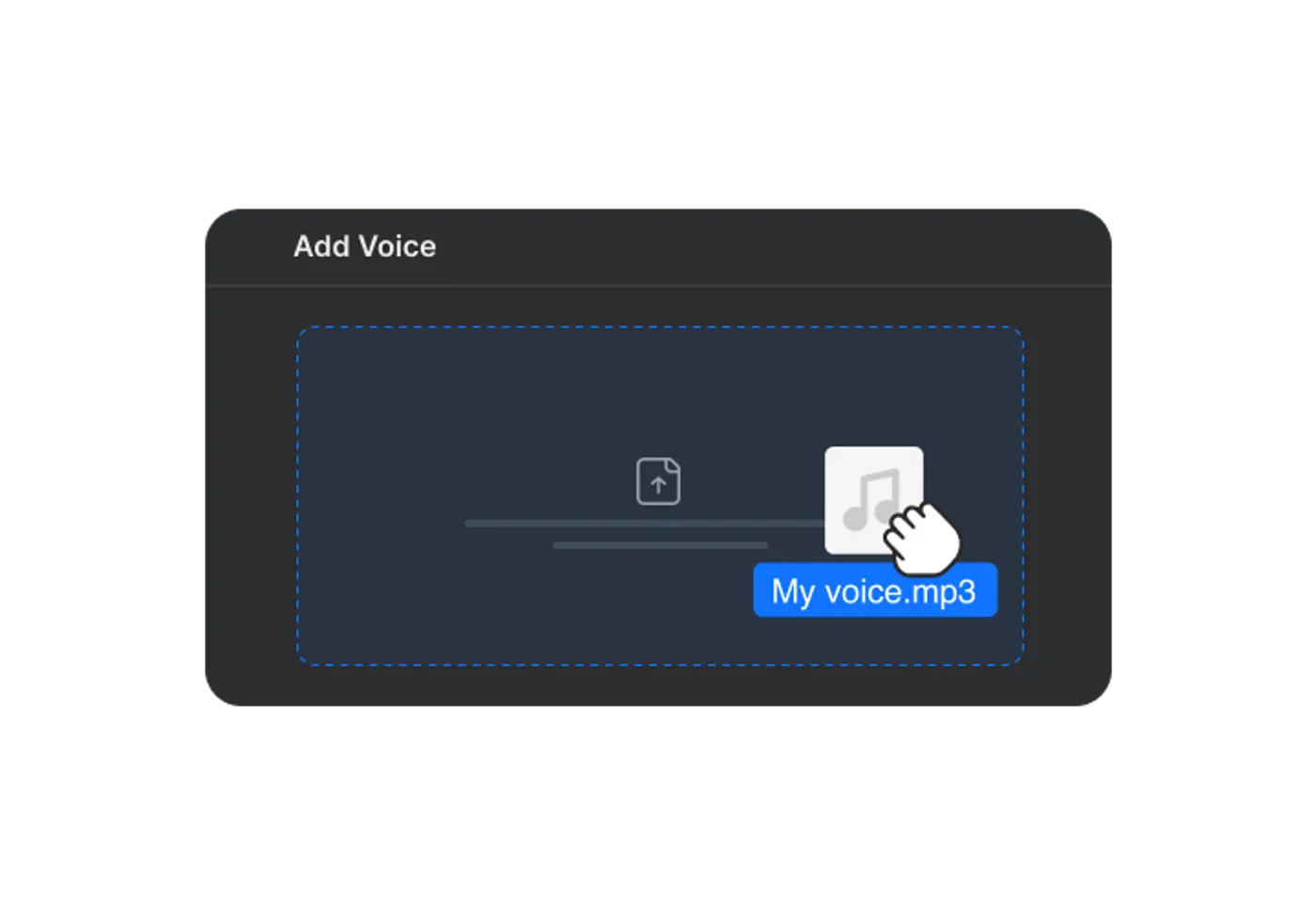
Record the required sample, create the clone, then test pronunciation and delivery before using it in published videos.
Record the required sample, create the clone, then test pronunciation and delivery before using it in published videos.
Start with the device, task or plan that fits the work in front of you—then move directly to the official CapCut tool.
Compare CapCut →Clone only your own voice or one covered by explicit authorization.
Follow the current recording guidance with clear, natural speech.
Review identity, pronunciation, emotion and disclosure across several scripts.
Keep a familiar voice across updates without rerecording every line.
Produce approved versions using a controlled spokesperson voice.
Evaluate how an authorized voice performs across supported languages.
Only a voice you own or have explicit permission to process.
Clean audio, natural speech and the recording length requested by the current workflow.
No. Names, emotion and unusual terms still require testing.
Use disclosure wherever identity or authenticity could be misunderstood.
Record the required sample, create the clone, then test pronunciation and delivery before using it in published videos.
Each recommendation shows why it belongs here.

CapCut combines avatar selection, script or audio input, voice choices, lip sync and editing for presenter-led videos without a traditional shoot.

Choose a voice, language and delivery style, then place the generated narration directly into a CapCut timeline with captions and visuals.

CapCut's Script to Video workflow can help generate or accept a script, pair it with visuals, voiceover, subtitles and music, then open the result for…