Managed runtime
Compare a maintained cloud instance with the work and control required for self-hosting.
This independent guide is for readers comparing managed agent hosting with self-hosting or a conventional chat assistant. MyClaw's current official pages describe dedicated managed instances for OpenClaw and Hermes Agent, browser and messaging access, scheduled work, integrations and model flexibility. The useful buying question is not whether an agent can perform many tasks, but which specific workflow needs an alwa
Read4Max may earn a commission when you use this partner link.
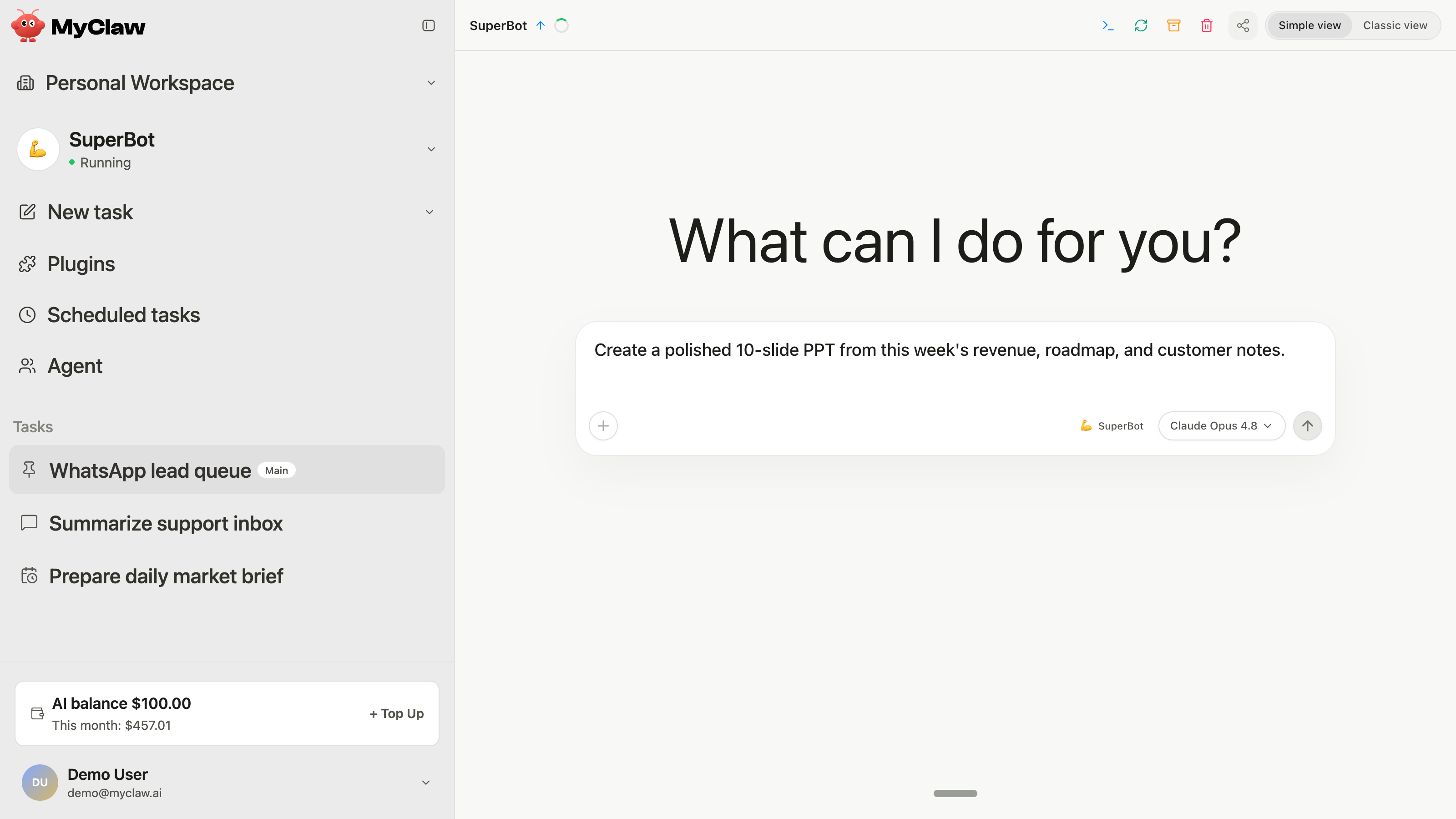
MyClaw is a managed cloud platform for running AI agents, but a hosted agent is not a substitute for human authorization, supervision, security review or professional judgment. An agent that can browse, write files, run code, connect to messaging channels or interact with third-party services can also make incorrect changes, expose information, follow malicious instructions or act beyond the user's intention. Begin with a low-risk test workspace and the minimum permissions needed for one defined task. Use separate accounts where possible, restrict OAuth scopes and API tokens, rotate credentials, review logs, require approval for consequential actions and keep recovery paths outside the agent. Do not give an agent access to banking, production infrastructure, customer records, health information, legal files, identity documents, private repositories or other sensitive systems unless the organization has explicitly approved the workflow and implemented appropriate controls. Content retrieved from email, webpages, documents and messages can contain prompt-injection or social-engineering instructions; treat external content as untrusted data, not authority. Verify generated text, code, files, summaries and decisions before use. The official terms state that users are responsible for agent configuration and supervision, third-party interactions require authorization, AI outputs may be inaccurate or misleading, and service availability is not guaranteed. The official privacy page describes processing of configurations, prompts, files, instance data and connected-service data, and the current page labels itself a consolidated website draft for legal review; review the current published policies and organizational requirements before uploading data. Security descriptions such as isolated instances, encryption, backups or automatic updates are service claims, not a guarantee that every configuration, integration or recovery attempt is secure or successful. Features, supported agents, models, integrations, resource limits, included credits, subscription prices, discounts, renewal terms and refund rules can change. Confirm current checkout terms and do not rely on a page snapshot for a purchase decision. No hosted agent platform can guarantee uptime, factual accuracy, legal compliance, privacy, security, recovery, productivity, revenue, cost savings or business outcomes. This independent guide is for readers comparing managed agent hosting with self-hosting or a conventional chat assistant. MyClaw's current official pages describe dedicated managed instances for OpenClaw and Hermes Agent, browser and messaging access, scheduled work, integrations and model flexibility. The useful buying question is not whether an agent can perform many tasks, but which specific workflow needs an always-on runtime and what level of access is justified. Define one task, the input sources, allowed actions, prohibited actions, approval points and expected evidence. Check whether the agent can operate with read-only or narrowly scoped credentials. Confirm who owns the connected accounts, whether third-party terms allow automation, how logs and backups are handled, and how the instance can be paused or deleted. Compare managed hosting against the cost and responsibility of maintaining your own server, but do not assume that “zero DevOps” removes operational responsibility. Updates, skills, model providers and integrations can introduce new behavior. Re-test workflows after meaningful changes, monitor resource use and token spending, and keep a manual way to stop the agent. High-impact actions should remain approval-gated even when the platform supports autonomous schedules.
Compare a maintained cloud instance with the work and control required for self-hosting.
Start from one authorized task, explicit permissions and visible approval points.
Separate hosting resources from AI token usage, third-party charges and supervision time.
Review backups, exports, restore behavior and an independent stop or rollback path.
Use a dedicated test account and require review before messages, files or external changes are finalized.
Grant only the scopes needed for the task and monitor every connected service.
Track resource, token and integration use with a representative workload rather than buying from headline specifications.
No. Managed infrastructure can reduce setup work, but the user remains responsible for permissions, supervision, connected services, outputs and actions.
The current official pricing page says AI token usage is not included in the subscription. Included credits and other conditions can change, so check the live plan and checkout.
The official pages describe integrations, but each connection should use least privilege, organizational approval and a review of the third party’s terms and data handling.
No. Verify backup scope, retention and restore behavior, test recovery, and keep independent copies of critical data and configuration.
This independent guide is for readers comparing managed agent hosting with self-hosting or a conventional chat assistant. MyClaw's current official pages describe dedicated managed instances for OpenClaw and Hermes Agent, browser and messaging access, scheduled work, integrations and model flexibility. The useful buying question is not whether an agent can perform many tasks, but which specific workflow needs an alwa
Each recommendation shows why it belongs here.
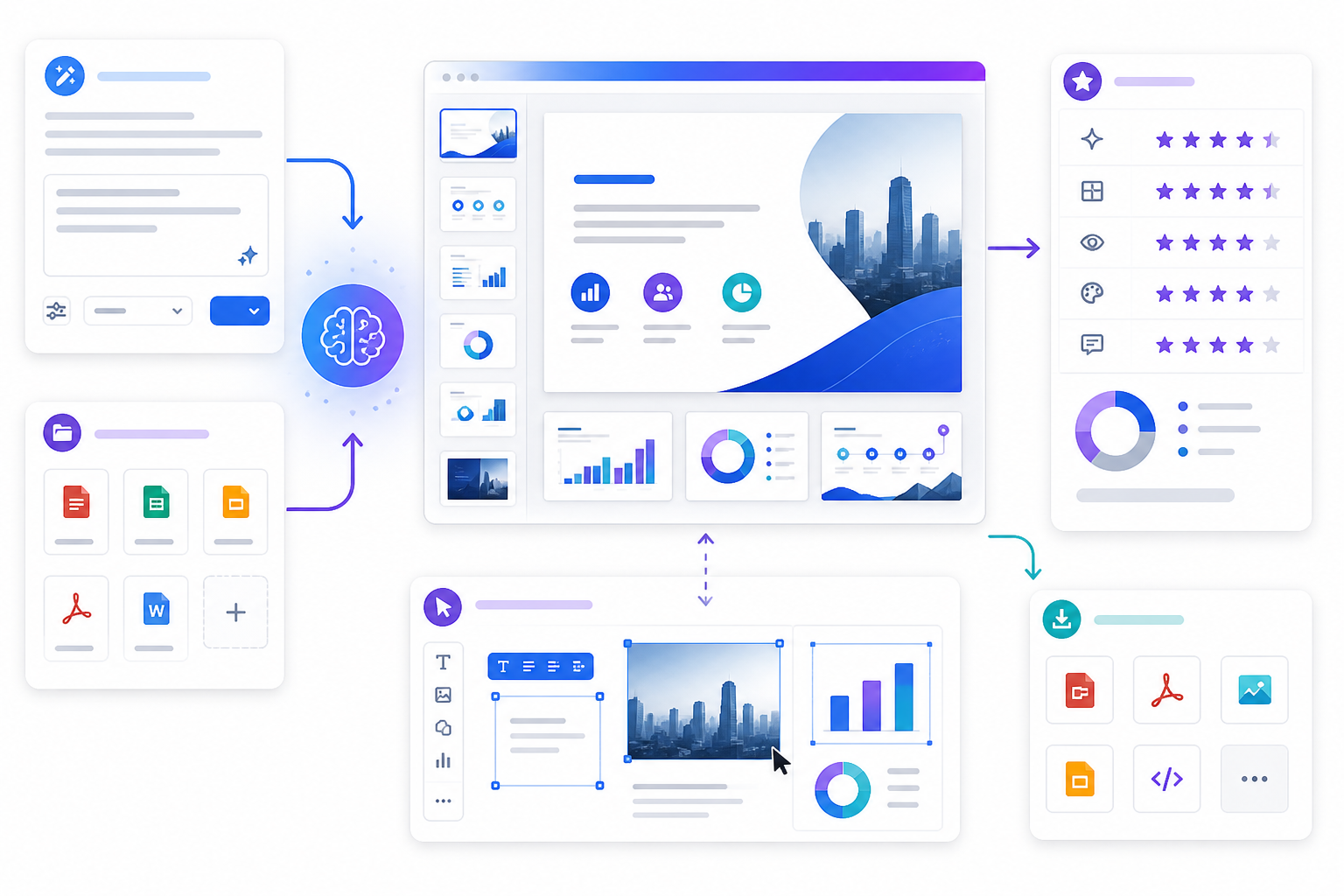
PopAi's official presentation workflow starts with a topic or source file, proposes an outline, applies a visual direction, creates editable slides and…

The SchoolAI AI Policy Consultation offer is positioned as a no-cost way to discuss district AI governance and draft policy materials. It can help…

MuleRun combines a Super Agent, persistent cloud Computer, scheduled tasks, files, knowledge and connected-account workflows in one AI work platform,…